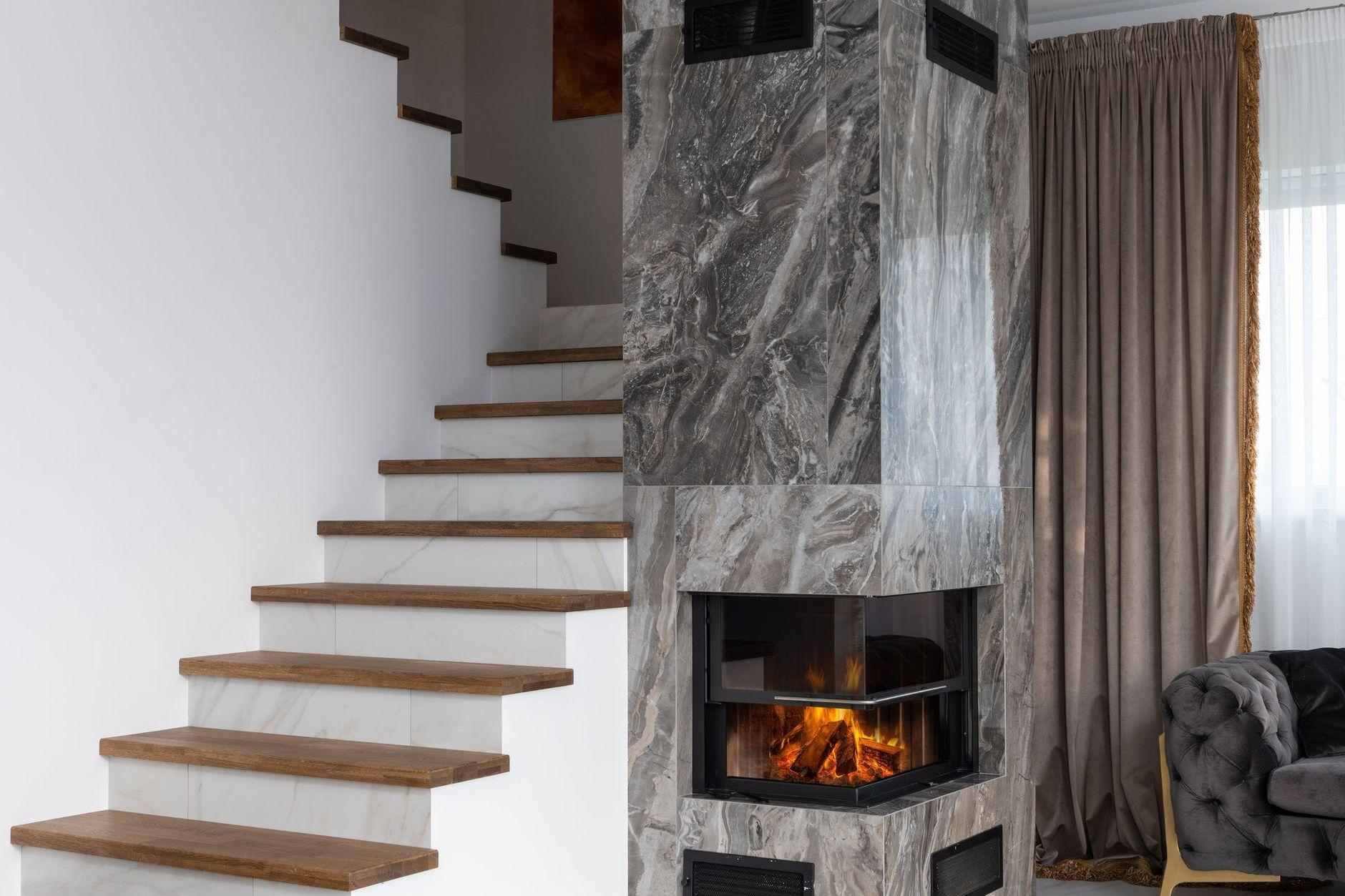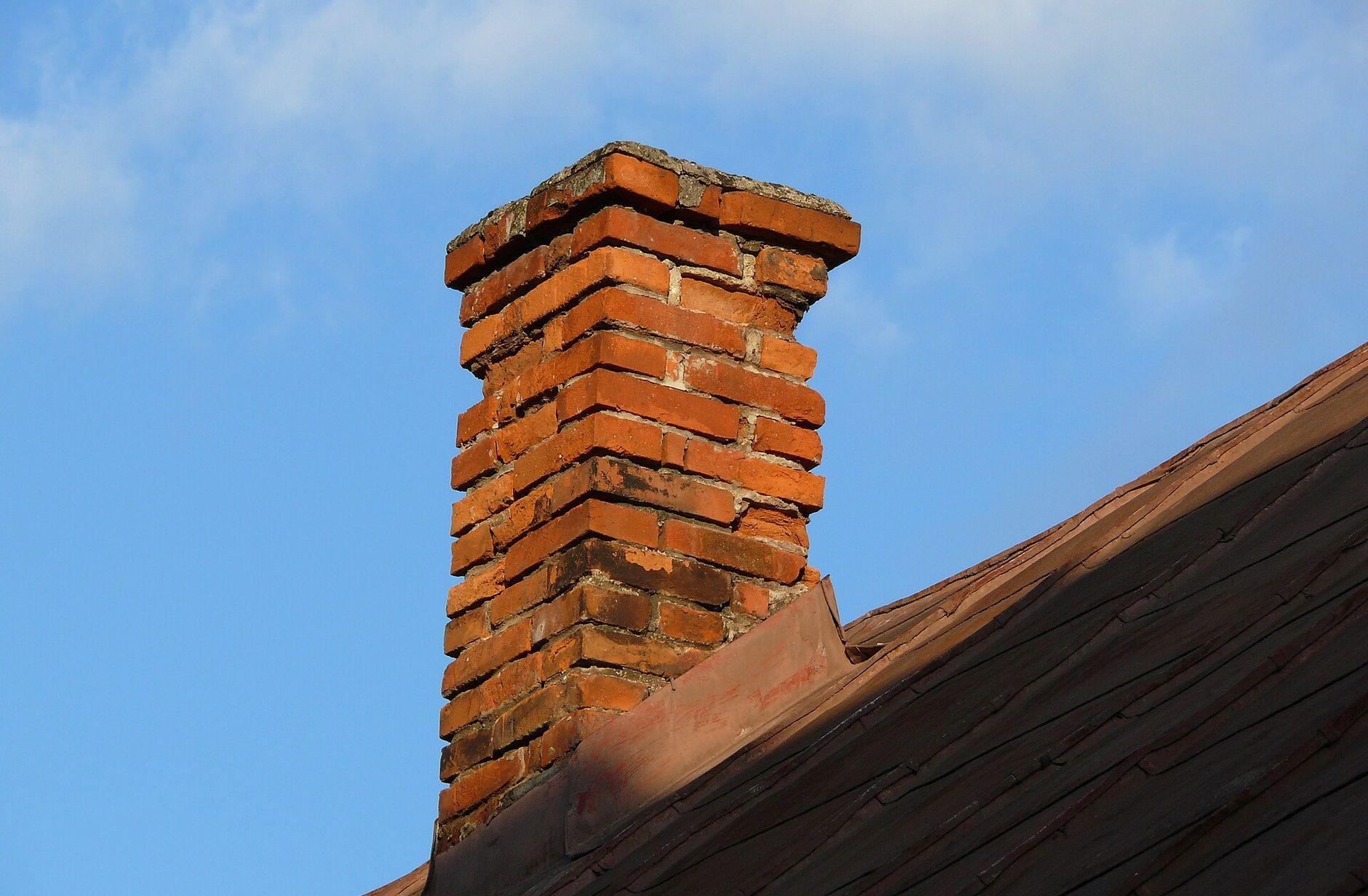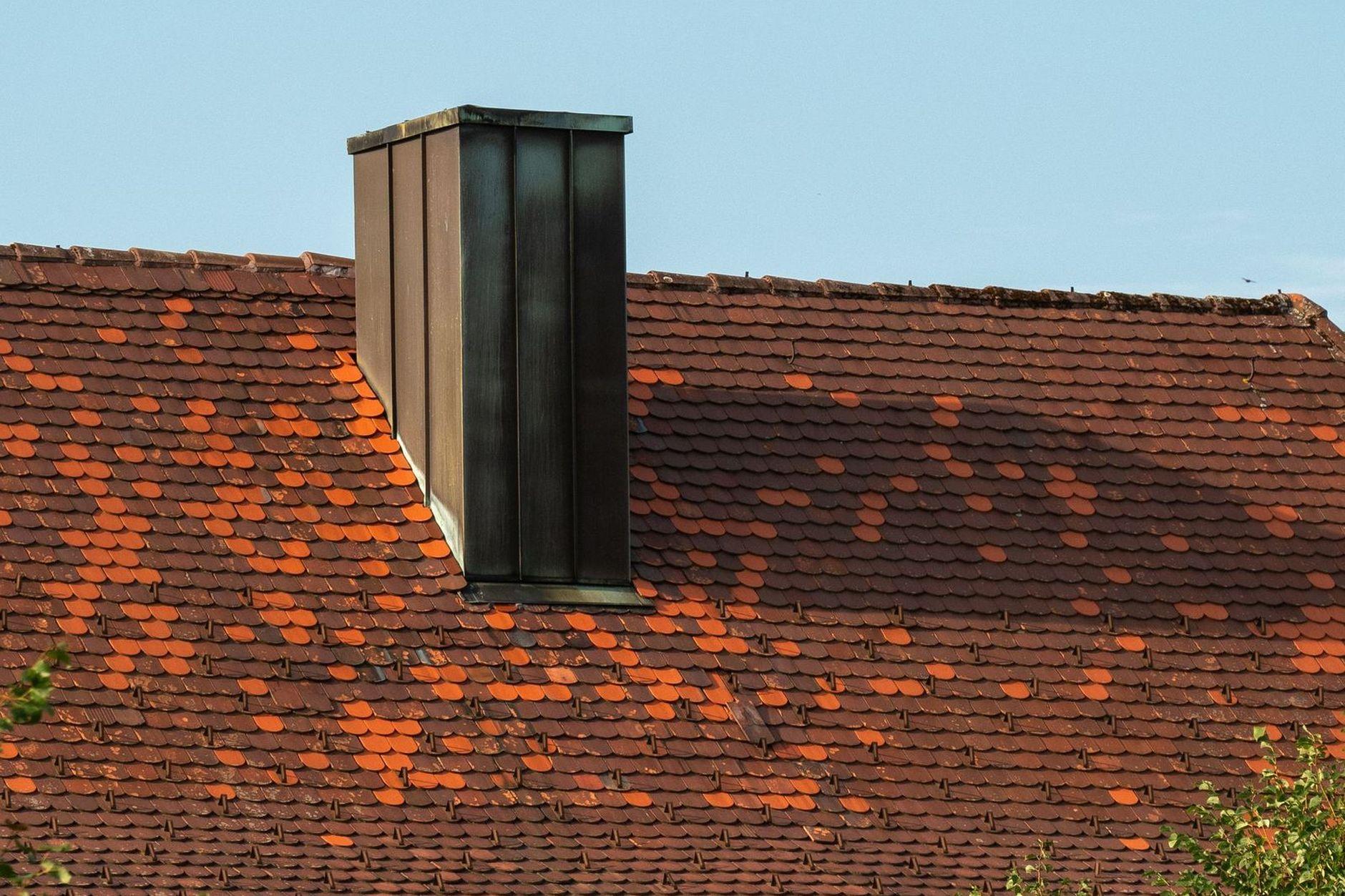
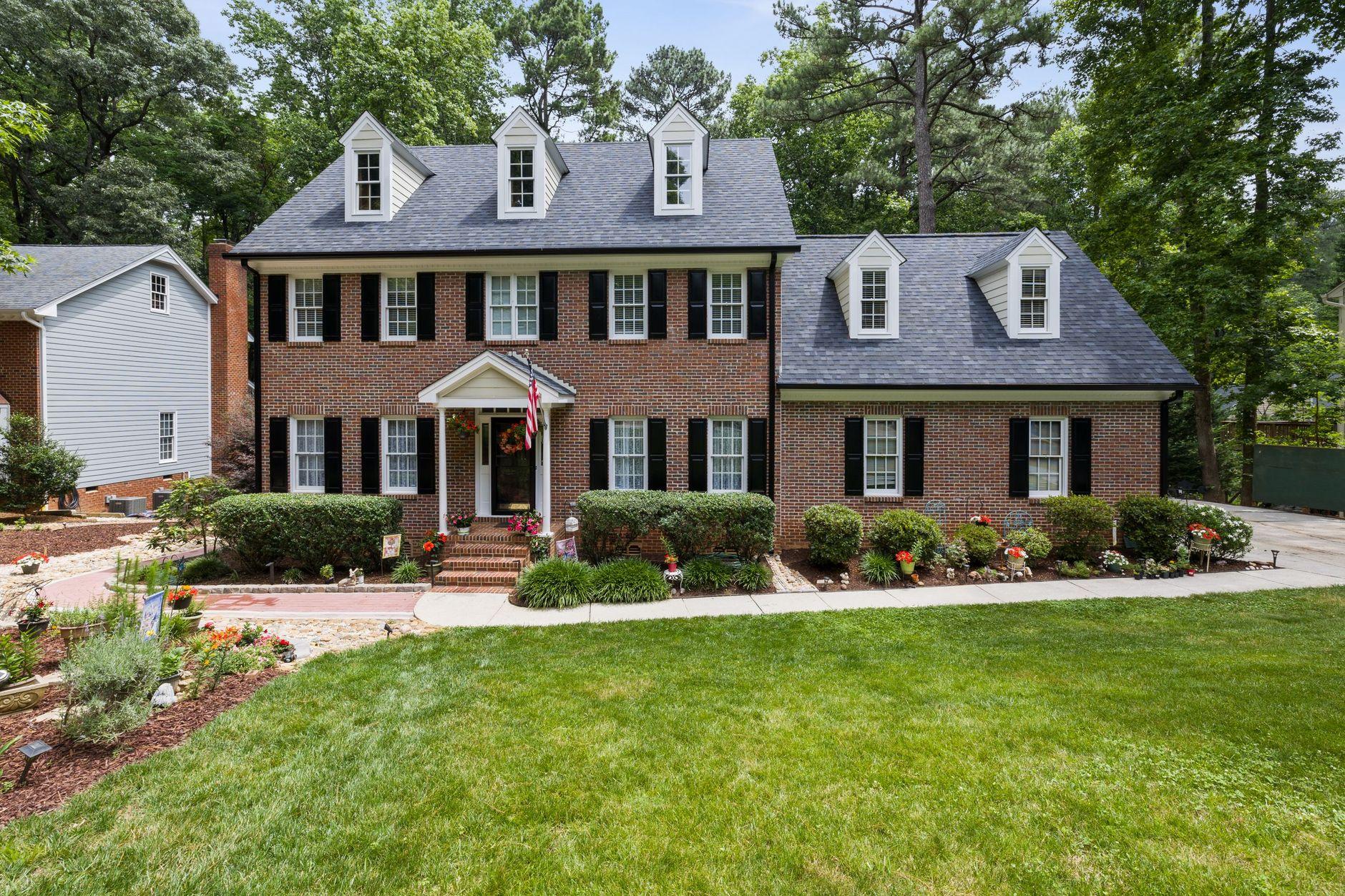
Rosemead owners who are finished with wood ask us the same opening question: which kind of gas? There are three, and they differ more than the showroom photos suggest. Below, Grimes Chimney Group compares them one at a time on the points that actually change the decision: warmth in the room, what the chimney has to do, what stays of the old fireplace, and price.
Option one: a log set in the open firebox
A log set is a burner pan with ceramic logs on top, placed where the grate used to sit. The fireplace stays open, the damper is held partly open so fumes always have a way out, and the flames are real.
Warmth: modest. Most of the heat rides up the chimney with the exhaust, much as it did with wood. A log set gives the look and the sound of a fire and takes the chill off the seats nearest it.
What the chimney has to do: carry the exhaust, as before. The flue needs to be sound and the top needs a cap. A cracked tile that went unnoticed through a few wood fires a year matters more once gas is burning there every evening.
What stays: everything. The brick face, the hearth and the mantel look the same, with a burner where the logs were.
Price: the lowest of the three. We do not publish a figure because the set, the firebox and the gas work vary from house to house; the gas logs page explains what we measure.
Option two: an insert in the existing opening
Think of an insert as a closed steel firebox, glass on its face, set inside the masonry opening you already have. Two flexible pipes run up the old flue, one feeding it outside air and one taking exhaust to the top, so the air in your living room is never part of the fire.
Warmth: real. With the box sealed and a blower pushing warm air into the room, an insert can heat a living room through a winter evening.
What the chimney has to do: hold the two pipes and give them a solid top to end at. The masonry no longer carries hot gas itself, so a flue with some damaged tile can often stay in service once the pipes are in, after a camera has shown what is there.
What stays: the brick face and the mantel. The opening is filled by the insert and its trim panel.
Price: $2,900 to $5,800 installed at our published rates. Our post on what a gas insert costs shows where a house falls inside that span.
Option three: a sealed unit in a new spot
A direct vent fireplace is a sealed box like an insert, but it needs no chimney. It is framed into a wall and vents out through that wall, or up through the roof, using a single pipe with a second pipe inside it.
Warmth: on a par with an insert, and often the most efficient of the three.
What the chimney has to do: nothing. Some owners keep the old fireplace for looks; some have the old stack taken down.
What stays: whatever you want. The unit can go in a bedroom, a den or a family room that never had a fire.
Price: $4,600 to $9,250 installed. The wall, the vent path and the finish work drive the spread.
Side by side
| Option | Room warmth | Uses the old chimney | Old fireplace look | Published price |
|---|---|---|---|---|
| Log set | Low | Yes, open flue | Kept | None, measured first |
| Insert | High | Yes, pipes inside it | Mostly kept | $2,900 to $5,800 |
| New sealed unit | High | No | Your choice | $4,600 to $9,250 |
What decides the choice
Three questions usually settle it.
Is the old fireplace in the room you want warm? If yes, an insert or a log set. If no, the new sealed unit.
Do you want heat or a view? Heat points to one of the sealed options; a view with some warmth points to logs.
What shape is the chimney in? A sound flue keeps all three open. A damaged one rules out logs until it is repaired or lined, and may make the new-location unit cheaper than saving the stack. Our post on the inspection before a gas switch covers how we find out.
To get the comparison priced for your own house, send the quote form with the room you want heated and whether the fireplace there burns wood today. We reply with which of the three fit and a time to measure.
The Rosemead picture
On a single-story house with one brick chimney on the living room wall, a layout we meet often in Rosemead, the insert is usually the simplest answer: the chimney is short, the pipe run is straight, and the room with the fireplace is the room the family uses. Second stories, additions and converted garages change the picture, and that is where the new-location unit starts to earn its higher price.
Air rules play a part too. The South Coast district can declare winter days when wood may not be burned, and gas units are outside those days. All three options here count as gas.
After the choice
Whichever option you pick, the work follows the same order: look at the chimney, sweep it if wood was burned, repair what it needs, then install. Repairs and the install each get their own lines on the written quote, so you can see what belongs to the chimney and what belongs to the new fire.
If the old fireplace has a new face in its future as well, read remodeling a fireplace for gas before you settle on a finish. And if a liner is in question for a log set, pricing a liner for a gas conversion covers that line of the quote.
Still torn between two of the three? Send a short note through the contact page naming the room and the kind of fireplace, and we take it from there.
Ready to Price It for Your Fireplace?
Grimes measures the opening, looks up the flue and lays out logs, an insert or a wall unit on paper, each with its figure. Visits run from Rosemead to Temple City, Baldwin Park, Los Angeles and the other cities on our area pages.